Resilience thinking is used in encouraging life in society. Blue Forests recognizes that livelihood must be based on potential, carrying capacity and the ability to adapt to change. Also, ensure that balance, equality and fairness can be fulfilled. Blue Forests believes that the diversity of livelihoods and livelihood choices in the community can encourage a more resilience system.
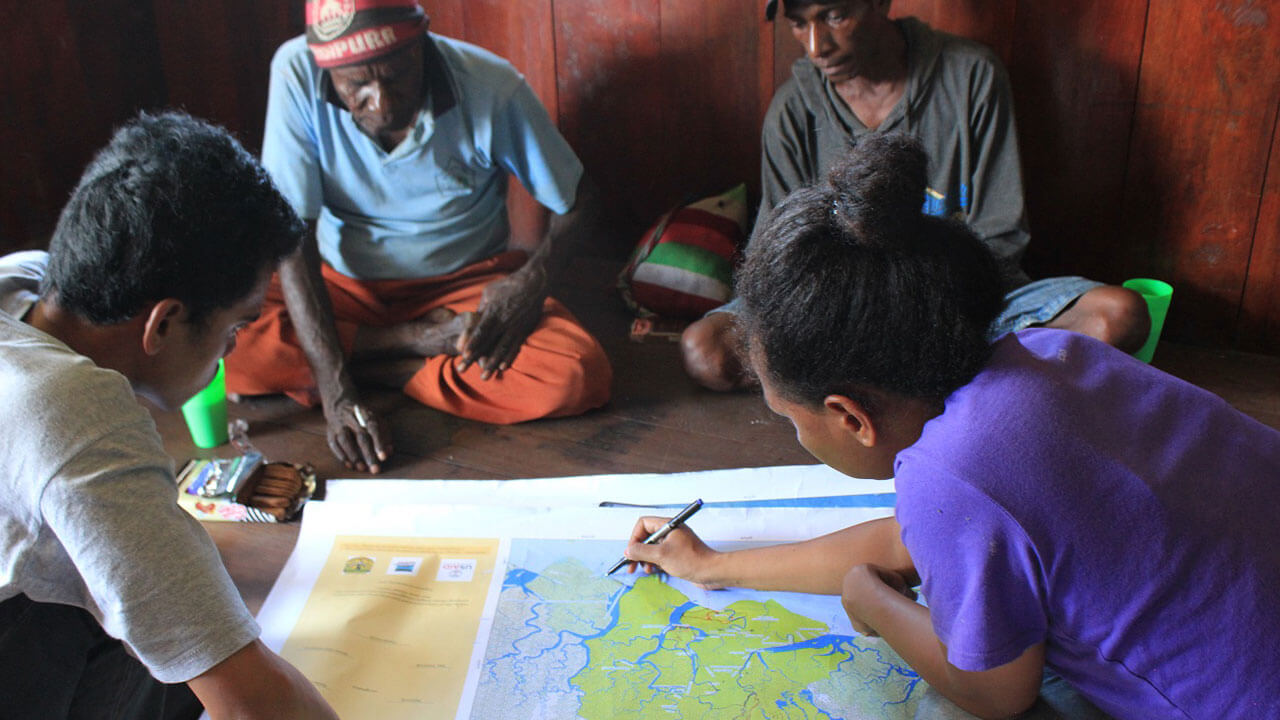
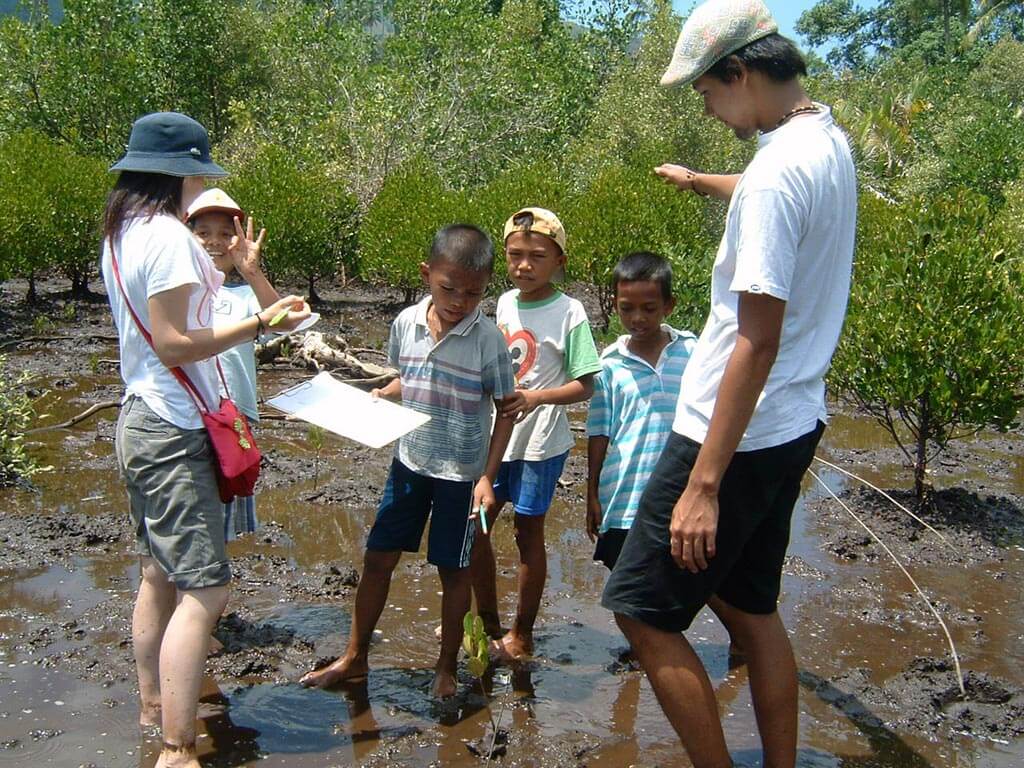
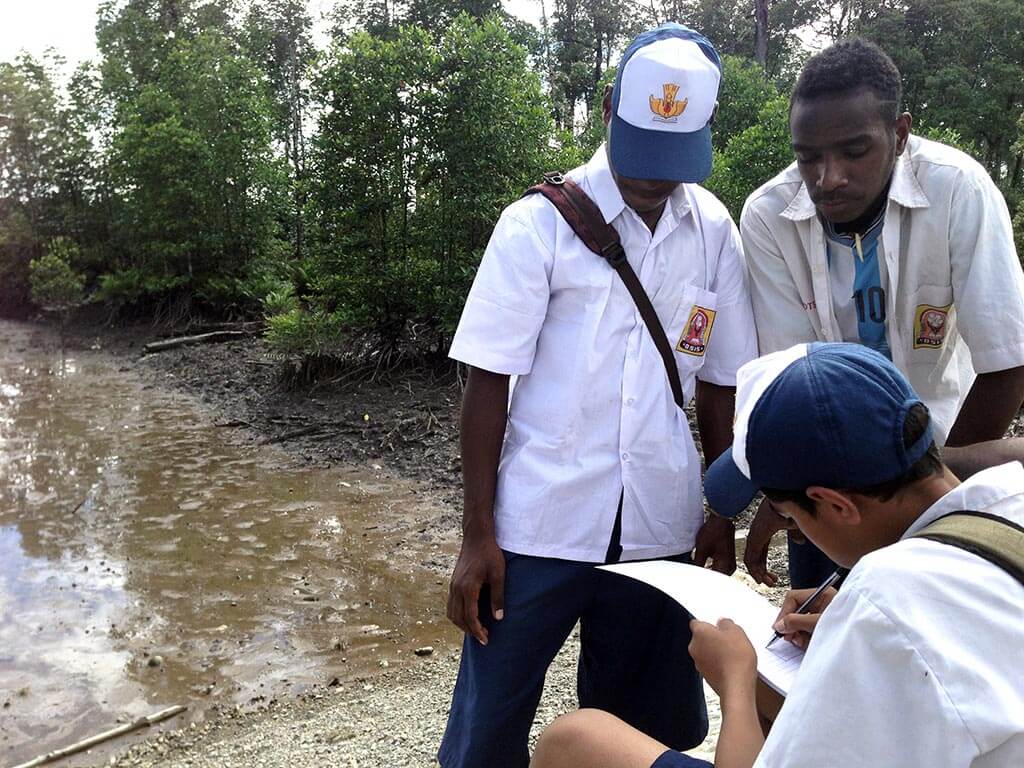
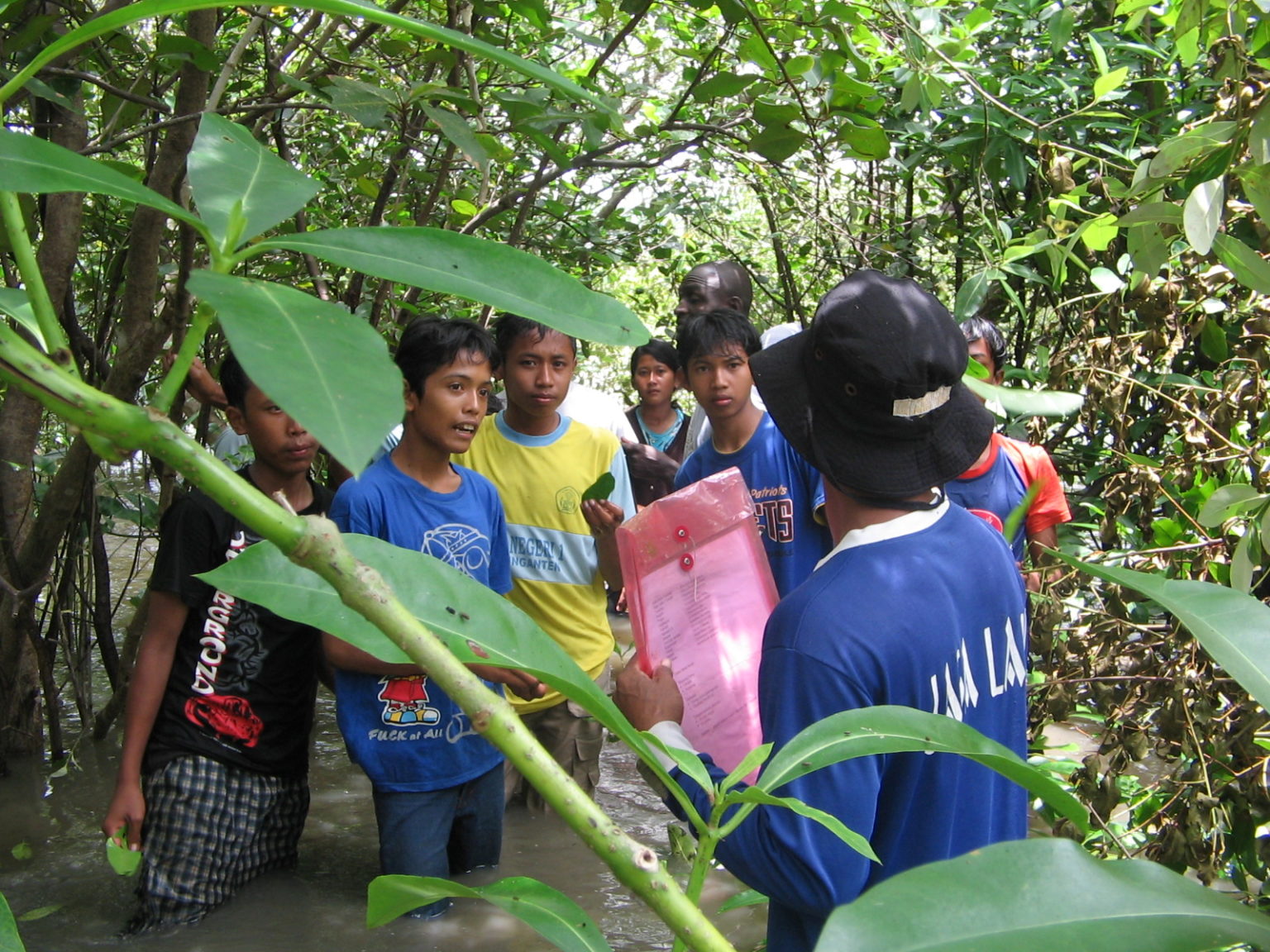
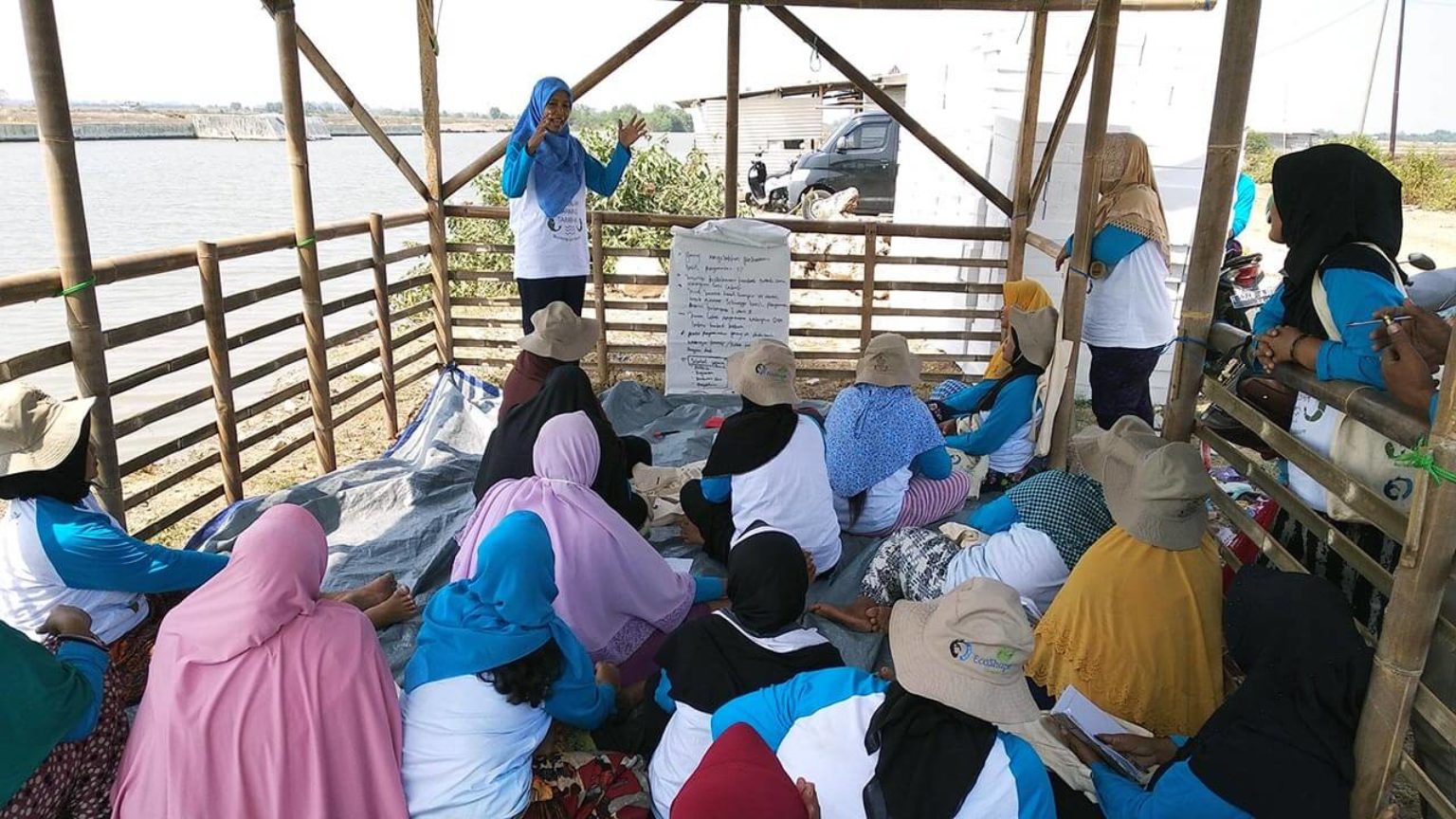
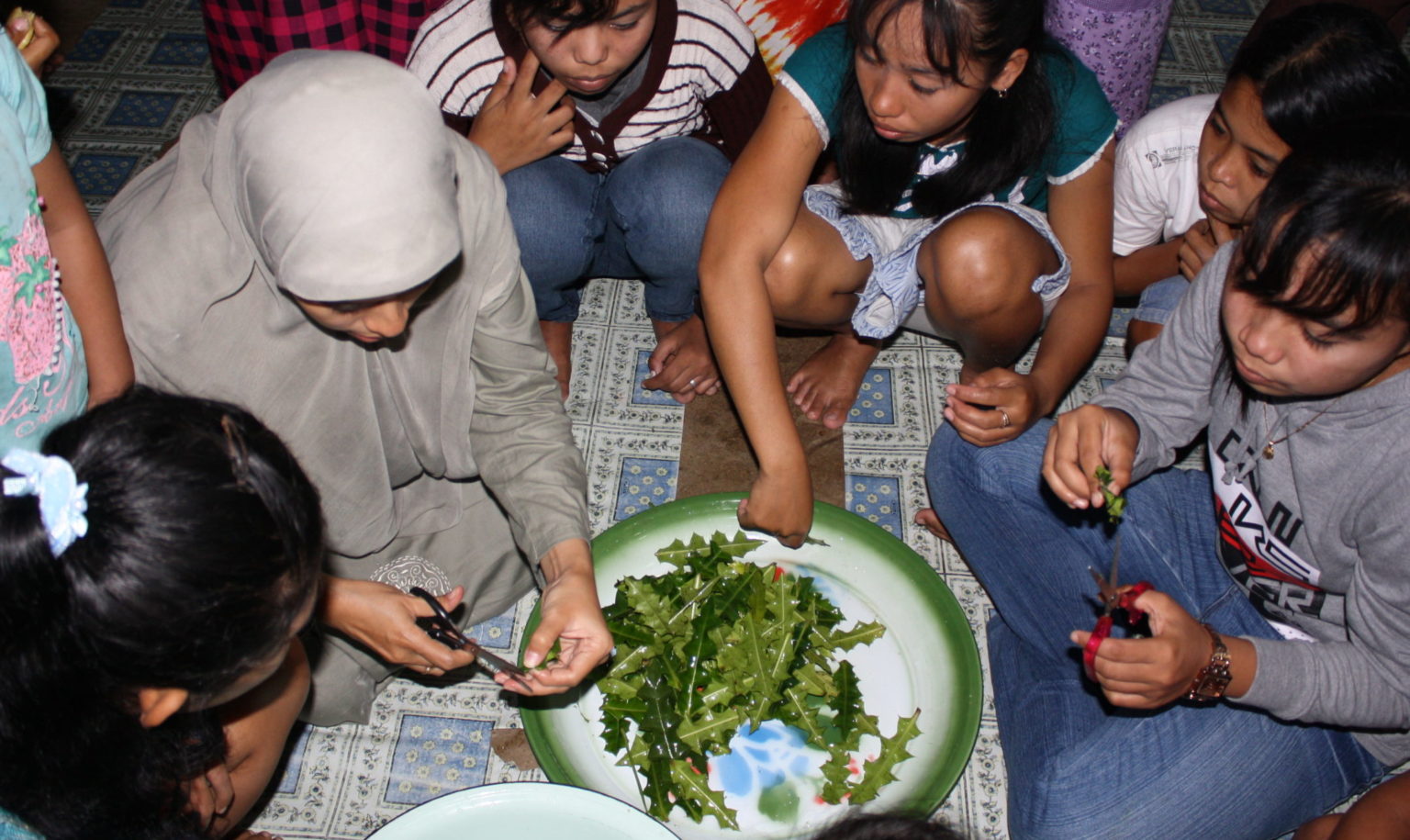
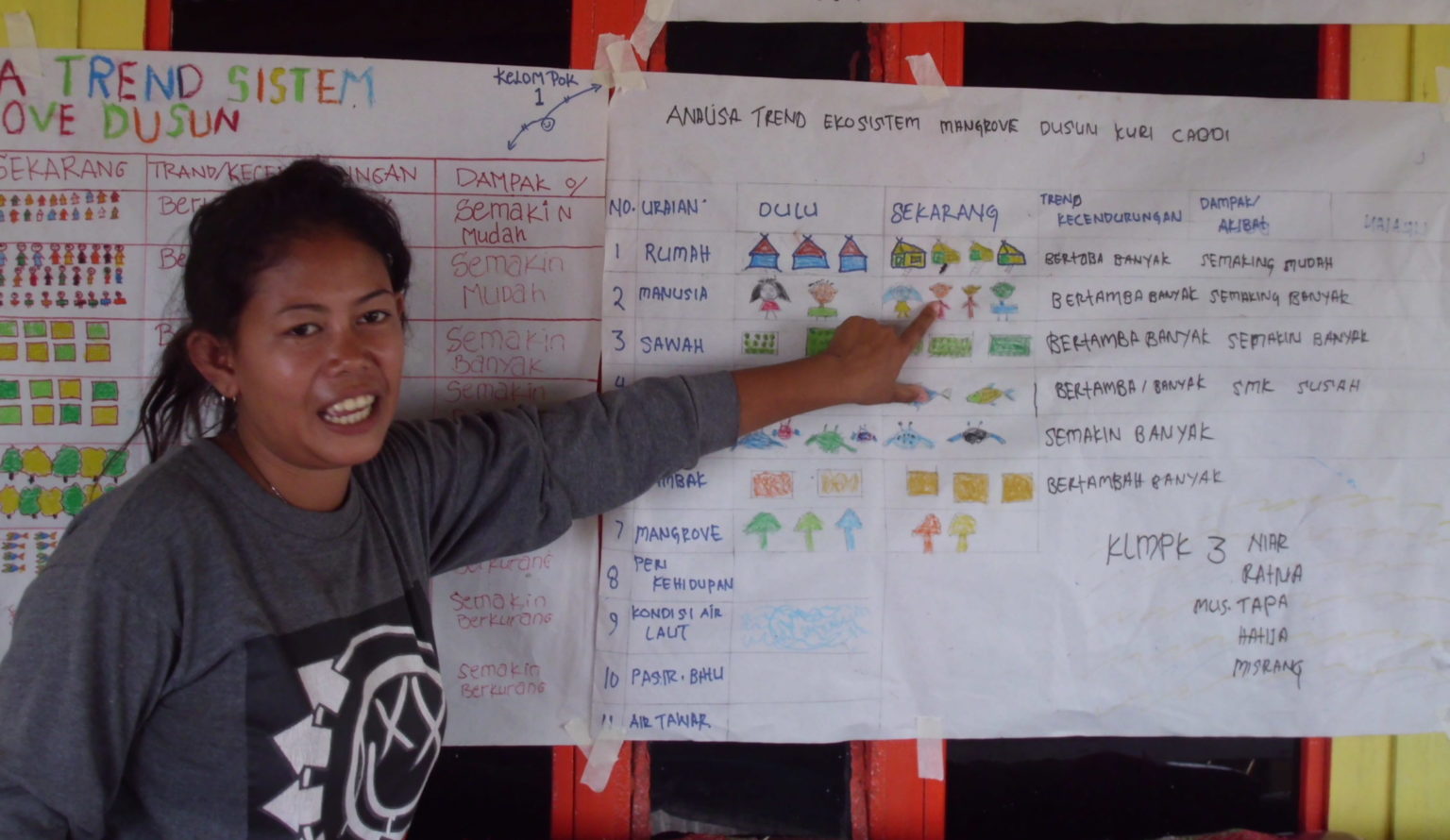
This principle that drives livelihood development at the site level is approached through participatory action research. The form is a method of learning through Coastal Field School.
Blue Forests uses a pair of programs – Coastal Field School and Coastal Business School, to develop sustainable livelihoods. Coastal Field Schools are based on the Farmer Field School philosophy (see: communityipm.org) geared towards developing critical thinking skills around current livelihoods practices. To date, 12 types of Coastal Field Schools have been run around the improved management of specific coastal commodities:
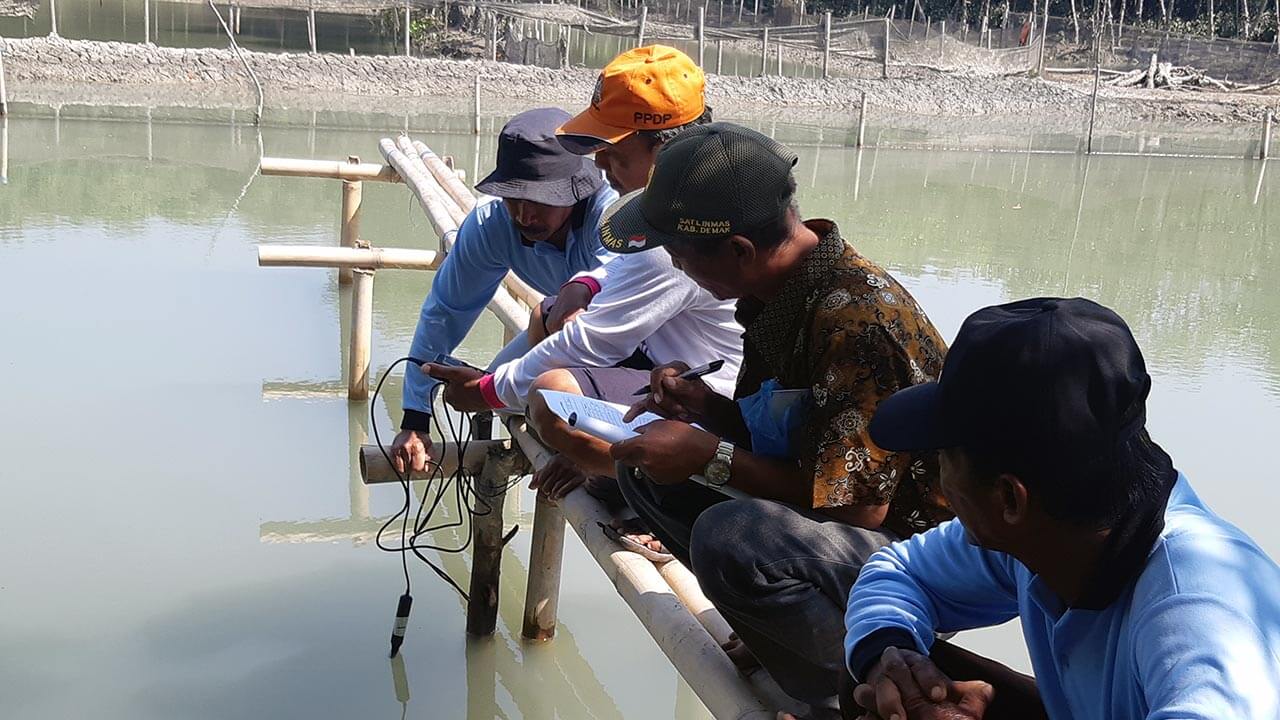
- Fish Farmer Field School
- Salt Water Tolerant Rice
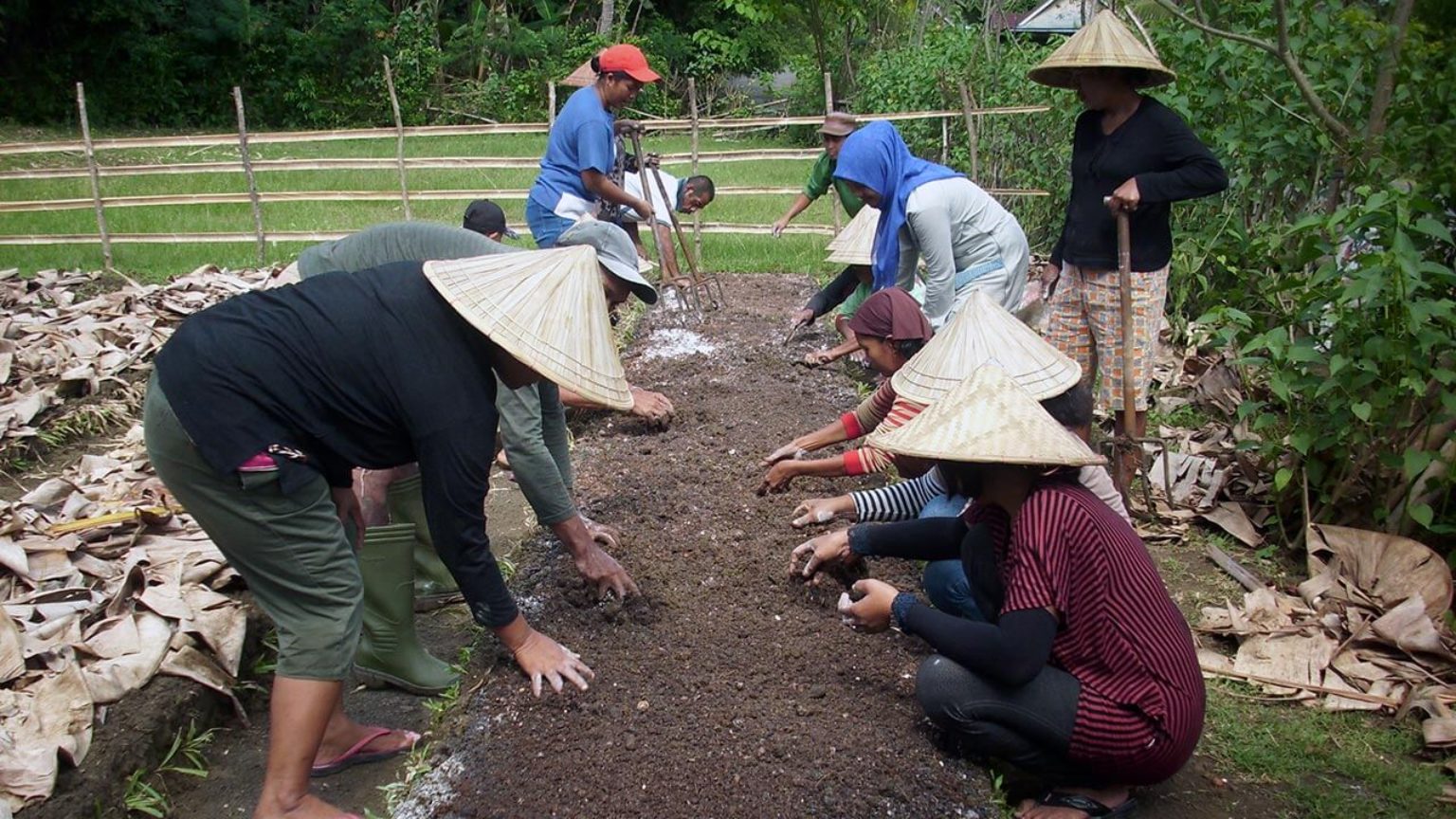
- Biointensive Vegetables
- Carageenan seaweed
- Coastal bamboo
- Improved charcoal making
- Mangrove silvaculture
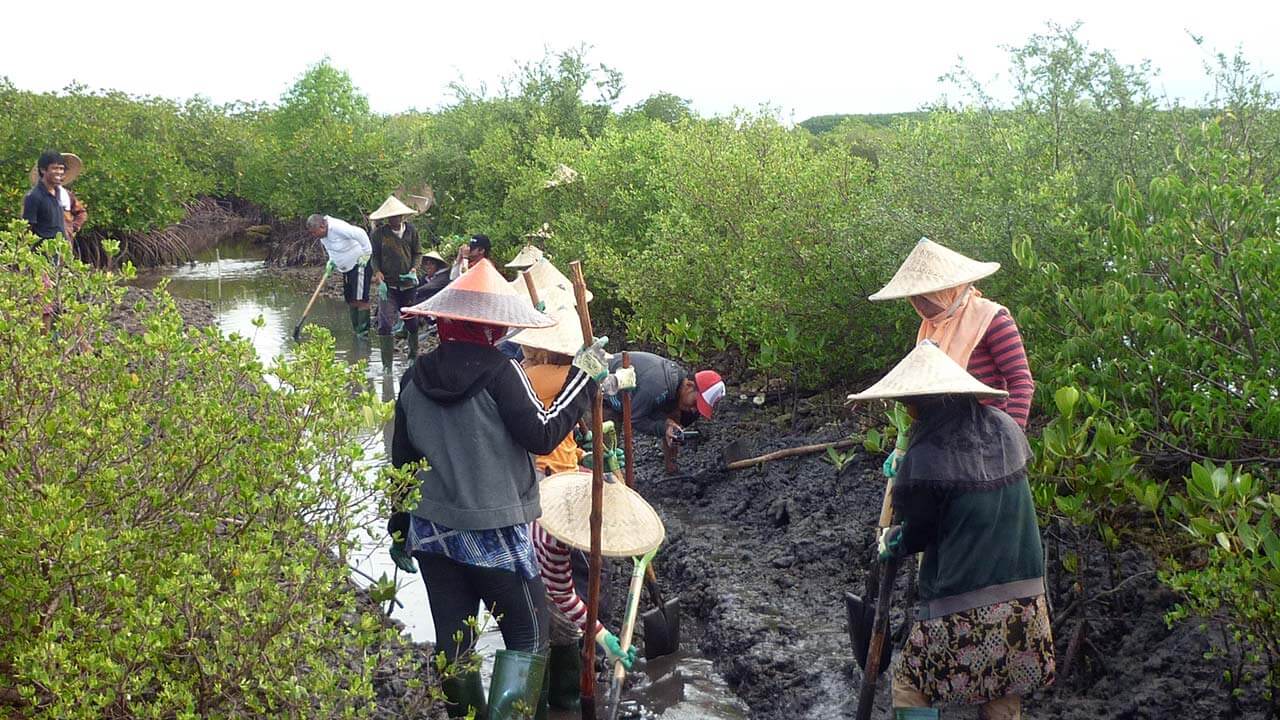
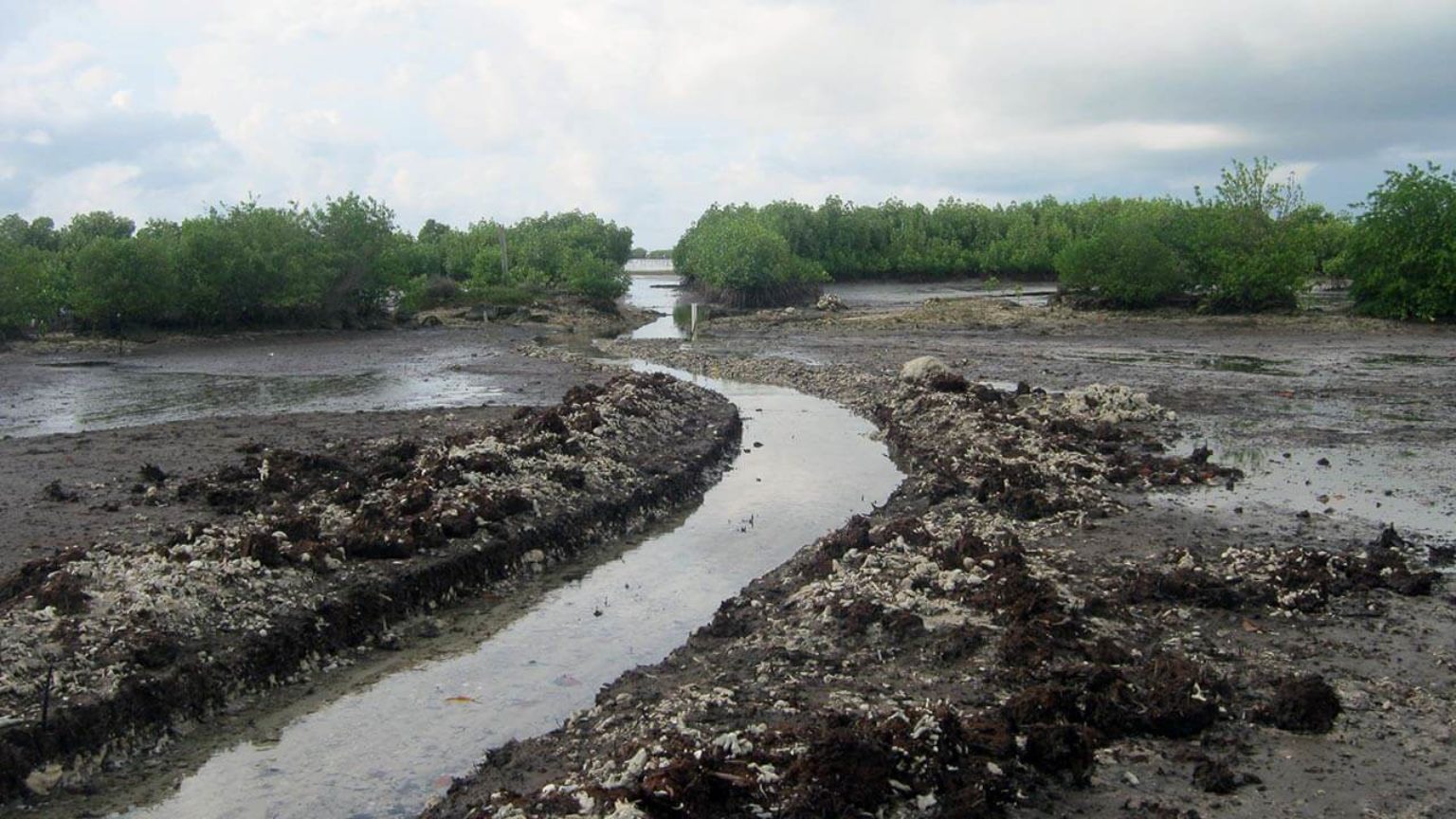
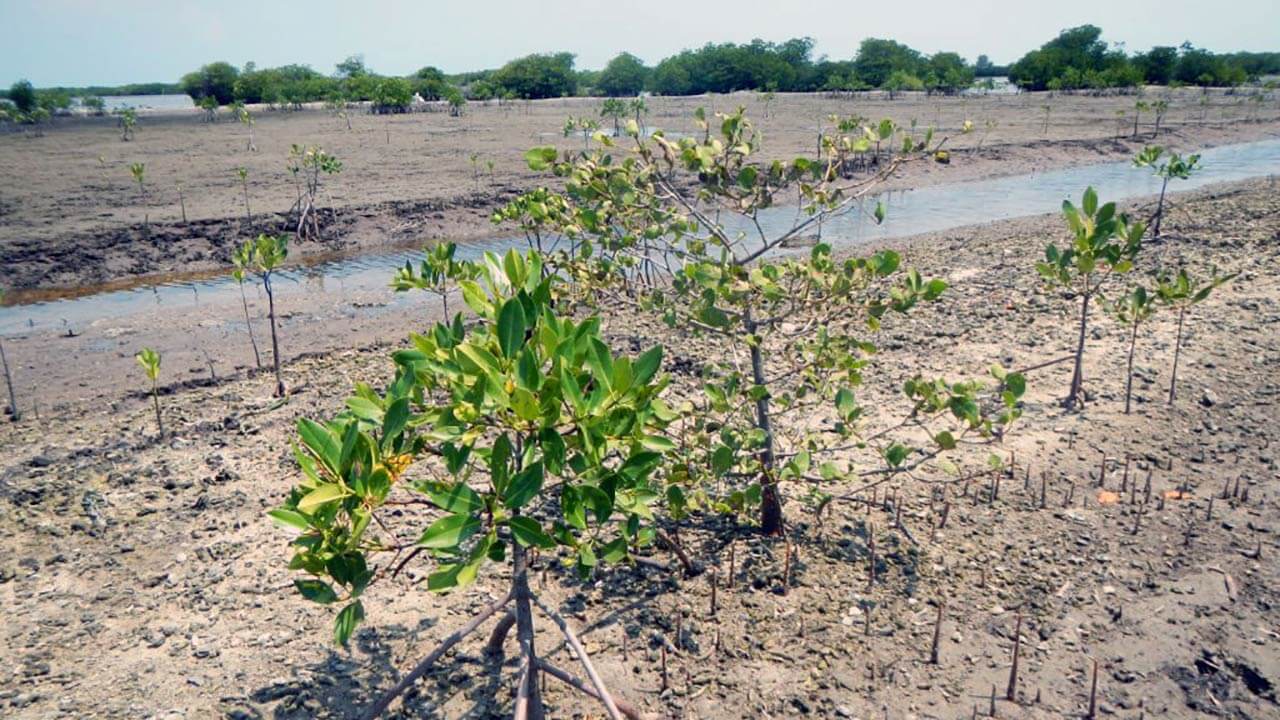
- Mangrove rehabilitation
- Mangrove non-timber forest products
- Mudcrab fattening
- Coastal compost production
- Sorghum
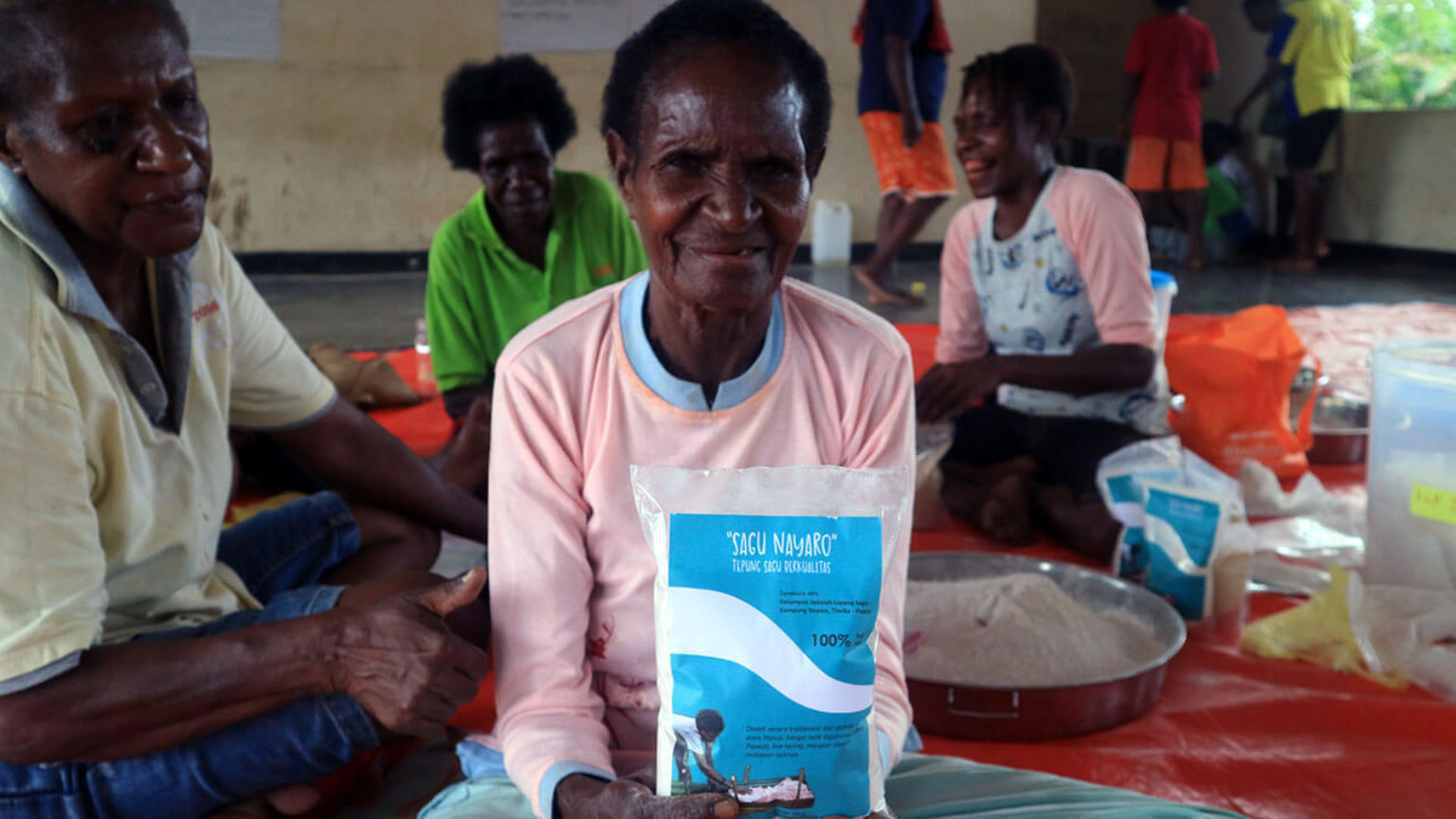
Coastal Business Schools are a new program at Blue Forests; where the selected Coastal Field School Alumni develop their business and entrepreneurship skills through a series of activities including; Market Analysis, Quality Assurance, Business Plan Development, Product Development, Packaging, Marketing, Book-keeping and Accessing External Support.
Blue Forests works with Charles Darwin University to monitor and evaluate the impact of its livelihoods program, using Sustainable Livelihood Framework, Well-being Matrix and the Women’s Empowerment in Agriculture Index (WEAI).
Social, Economic, & Ecological Studies