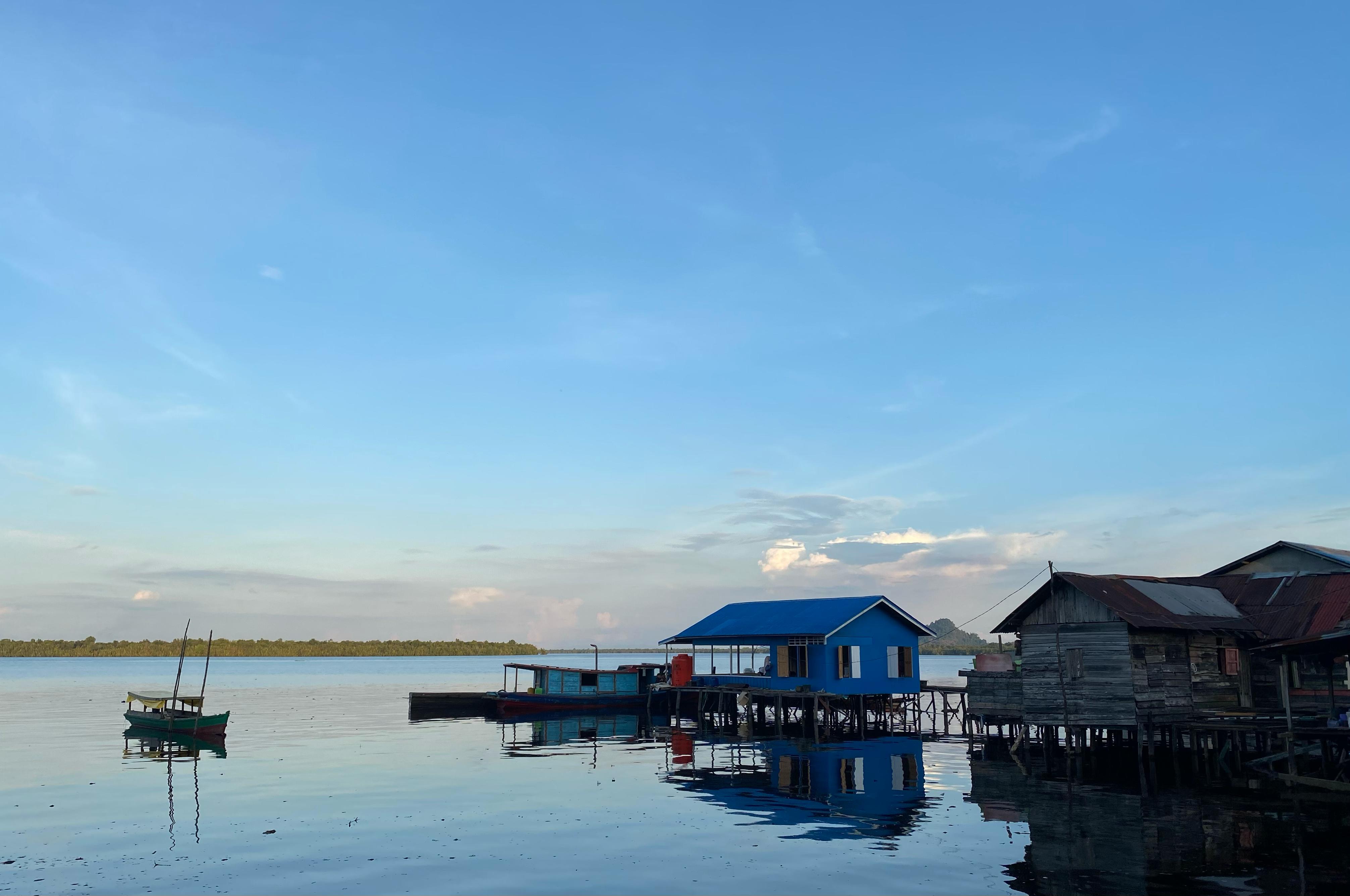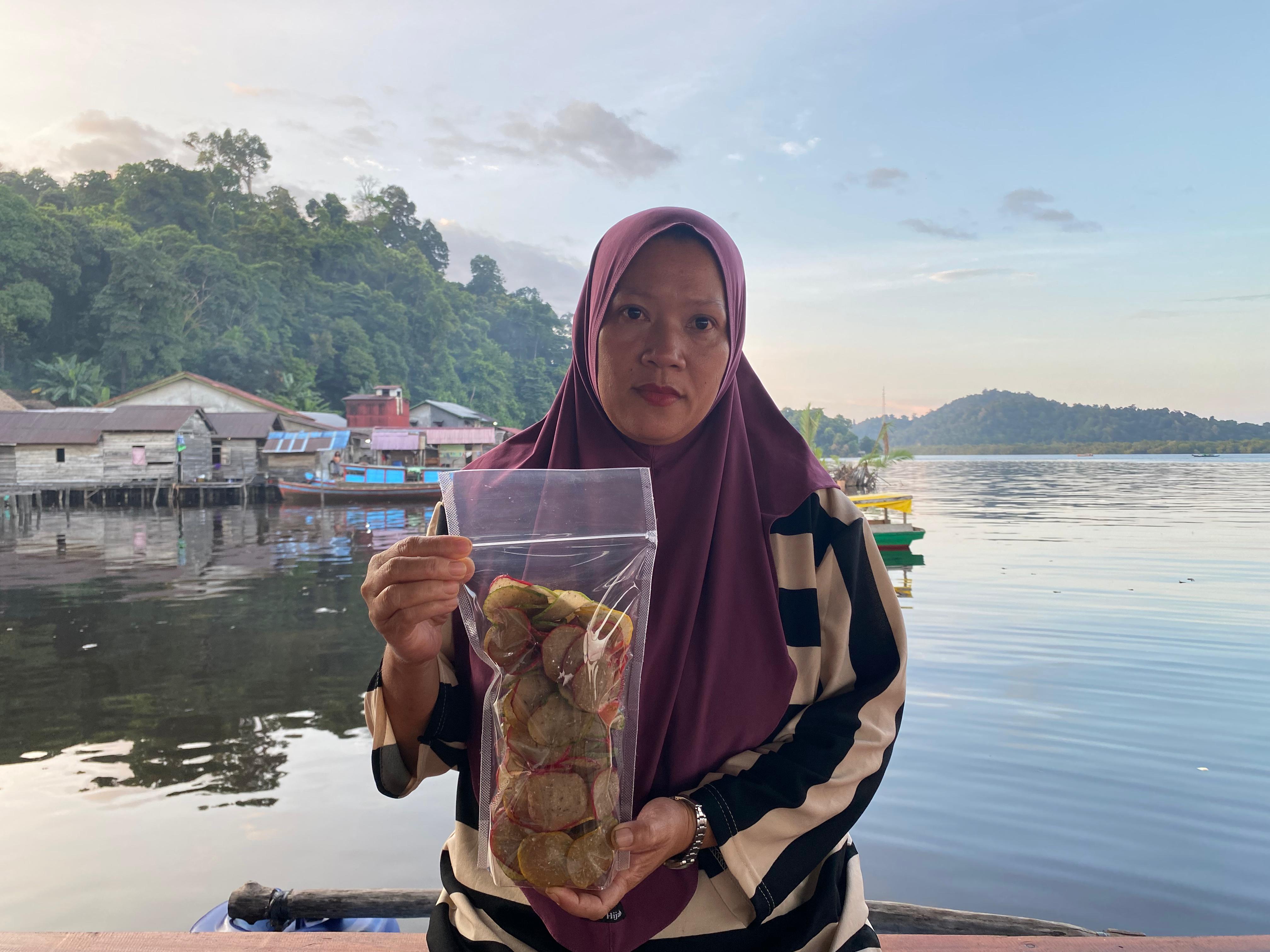
A group of women in Semanggang Hamlet, Batu Ampar Village, Kubu Raya District, West Kalimantan, have found a new purpose. Since participating in the “Field School for Capture Fisheries,” they have become active members of a Fish Processing and Marketing Group, commonly known as POKLAHSAR, since 2023. During the field school, they learned about the role of mangrove ecosystems in sustaining fish resources, local fish species, processing techniques, and seasonal patterns in the waters of Batu Ampar. They also explored how climate change affects fish resources and coastal livelihoods.
Armed with this knowledge, the women were inspired to develop a sustainable fish processing business as an additional source of income. They understood that success depends not only on processing skills but also on effective marketing and solid business management. This spirit led to the formation of POKLAHSAR Karya Bersama, now comprised of eleven dedicated members.
Initially, each member independently produced fish-based products using basic tools and in small quantities. However, as demand increased, the need for improved facilities became apparent. With support from the Blue Action Fund and Blue Ventures, the group established a dedicated production house to maintain quality streamlined processing, storage, and marketing. This facility strengthened their teamwork, improved efficiency, and reinforced their shared commitment to sustainable business growth. They aim to expand their reach from local to national markets.
https://blue-forests.org/wp-content/uploads/2025/02/WhatsApp-Image-2025-02-17-at-15.26.29_bbe15745.jpg
https://blue-forests.org/wp-content/uploads/2025/02/WhatsApp-Image-2025-02-17-at-15.26.29_bbe15745.jpg
https://blue-forests.org/wp-content/uploads/2025/02/WhatsApp-Image-2025-02-17-at-15.26.29_bbe15745.jpg
https://blue-forests.org/wp-content/uploads/2025/02/WhatsApp-Image-2025-02-17-at-15.26.29_bbe15745.jpg
https://blue-forests.org/wp-content/uploads/2025/02/WhatsApp-Image-2025-02-17-at-15.26.29_bbe15745.jpg
https://blue-forests.org/wp-content/uploads/2025/02/WhatsApp-Image-2025-02-17-at-15.26.29_bbe15745.jpg
https://blue-forests.org/wp-content/uploads/2025/02/WhatsApp-Image-2025-02-17-at-15.26.29_bbe15745.jpg
https://blue-forests.org/wp-content/uploads/2025/02/WhatsApp-Image-2025-02-17-at-15.26.29_bbe15745.jpg
https://blue-forests.org/wp-content/uploads/2025/02/WhatsApp-Image-2025-02-17-at-15.26.29_bbe15745.jpg
“We don’t have a label yet. So, if we want to sell outside the area, people always ask if it’s halal,” Ibu Halimah explained hopefully.
They are now in the process of applying for halal certification, which they believe will enable their products to reach a wider range of consumers with confidence. This effort marks a step forward in improving their professionalism and competitiveness.
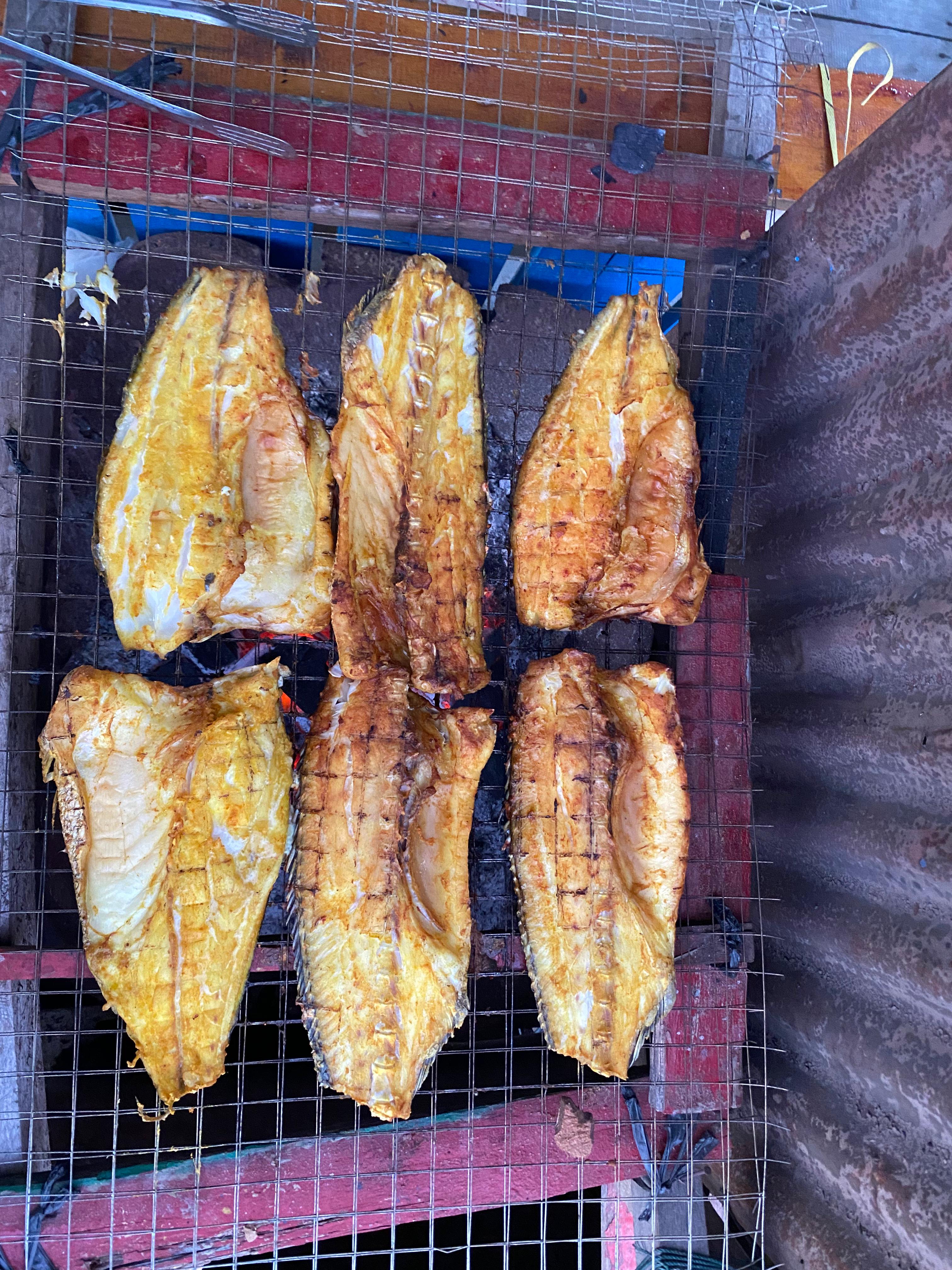 Smoking Process of Tirus Fish – Marini/Blue Forests
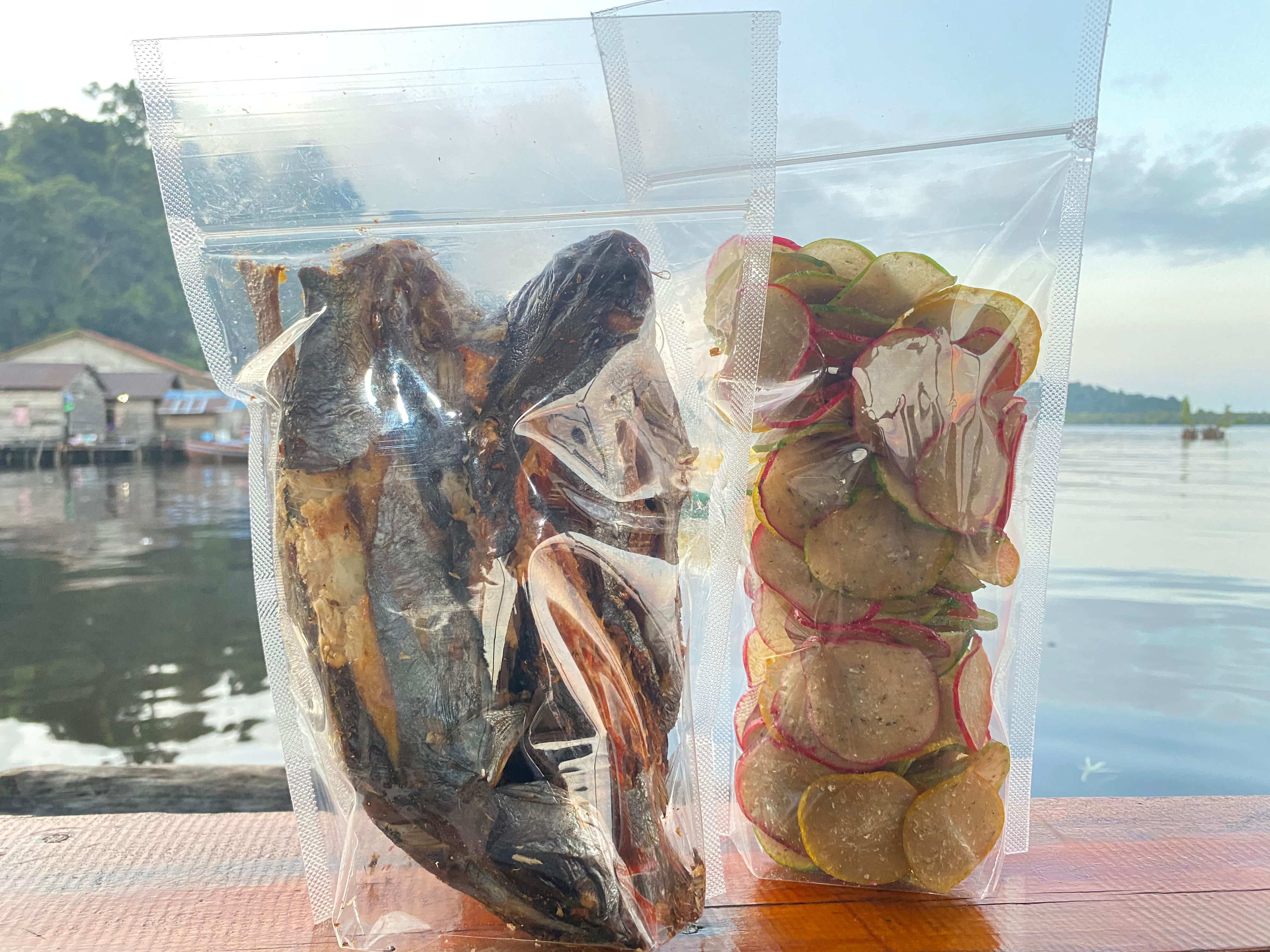 POKLAHSAR Karya Bersama’s Smoked Fish and Dry Crackers – Marini/Blue Forests
Most of the production remains manual, relying on the skills of the members. For instance, drying crackers depends heavily on sunny weather. When the sun shines, drying takes just one day; cloudy or rainy conditions slow production, impacting efficiency. Despite limitations in technology and infrastructure, they remain committed to producing market-favored goods.
Their best-selling products include fish crackers, toman fish floss, and fish meatballs loved for their taste, freshness, and affordability. Their success stems from the dedication and innovation of group members, who continue to improve processes despite challenges such as raw material shortages, unpredictable weather, and limited resources.
Despite these hurdles, the group maintains high morale and a spirit of collaboration and learning. They regularly share knowledge and improve their skills together, striving to expand their reach beyond local markets and into regional or national markets.
With strong determination and a commitment to growth, POKLAHSAR Karya Bersama aims to deliver greater benefits not just to its members but also to the broader fishing community. By maintaining a balance between resource use and marine conservation, they hope to set an example for other communities in developing sustainable, fish-based industries.
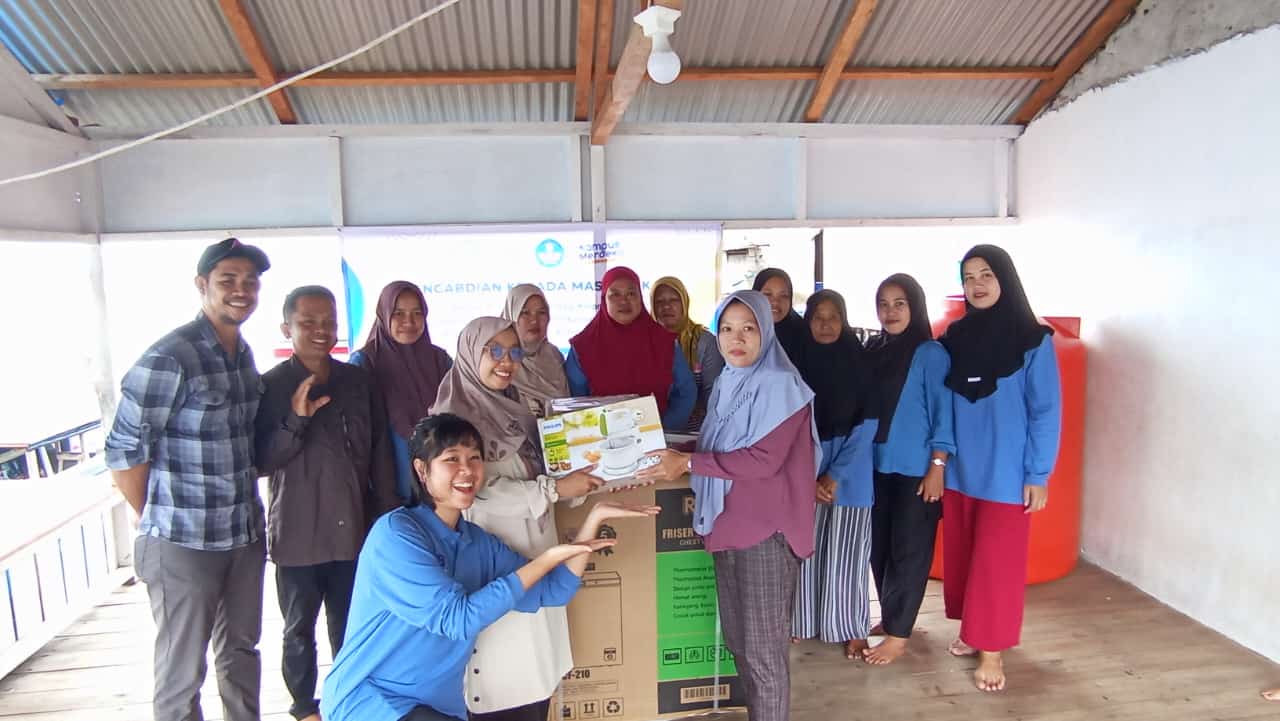 POKLAHSAR Karya Bersama is receiving production equipment support from UNU Kalbar through the PKM program – Blue Forests.
Written by: Marini Binti Muliady