
Amid the vibrant spirit of the blessed month of Ramadan, the atmosphere in Medan Mas Village, Batu Ampar District, Kubu Raya, feels livelier than usual. Residents are busy preparing for Eid celebrations, and one of the most sought-after products during this time is the local fish cracker Amplang Ayu. This local delicacy has become a symbol of pride for the village, thanks to the remarkable efforts of a resilient female entrepreneur named Ayu Varonika.
Ayu is more than just a micro-business owner—she is the face of social and economic transformation in her village. For two consecutive years, her Amplang cracker business has seen a significant increase in orders, especially during Ramadan. From a modest home-based venture, Amplang Ayu has now expanded into regional markets, achieving record sales of over one ton in a single season.
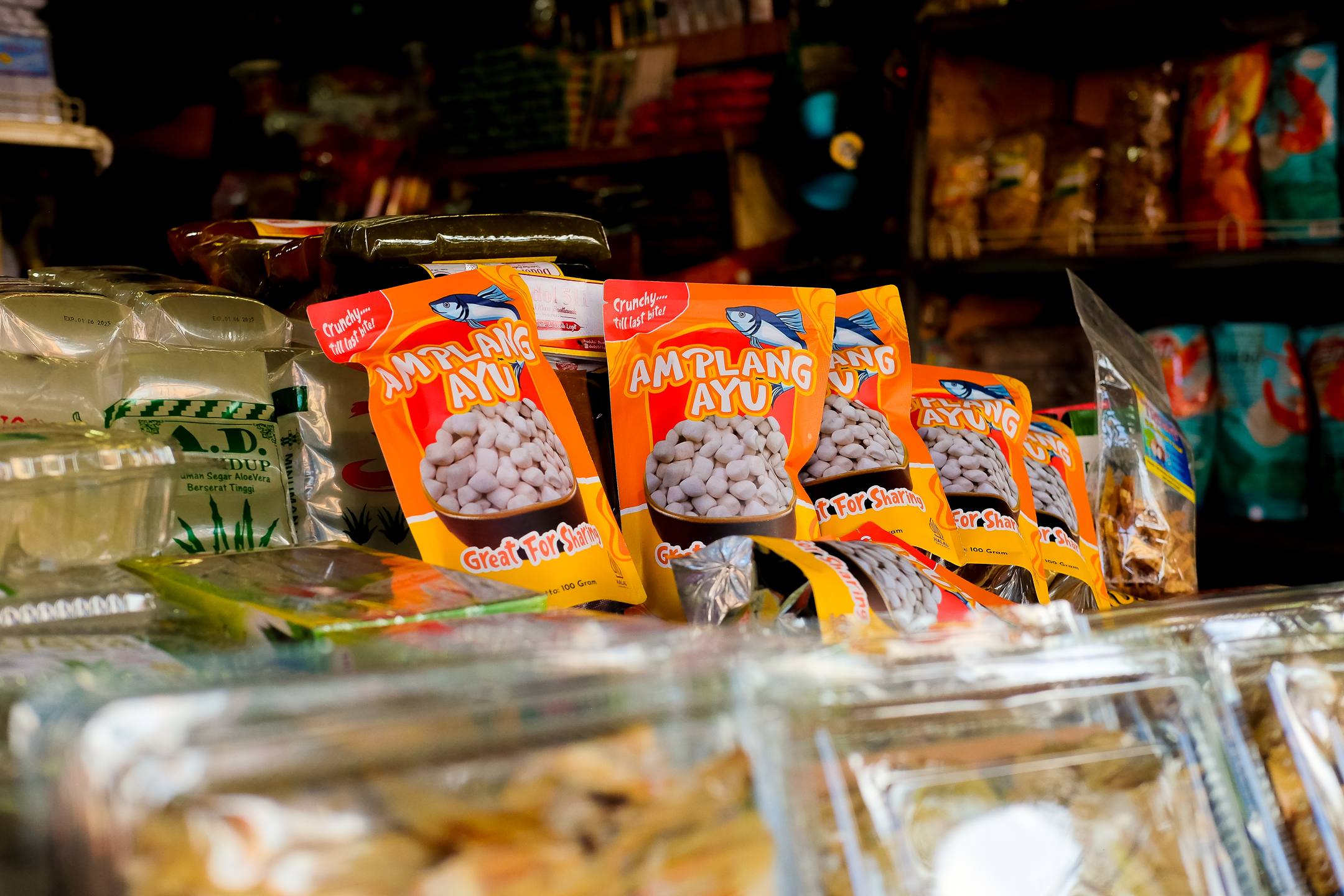 Products at the outlet – (Blue Forests)
Behind this outstanding success lies a long journey marked by perseverance, innovation, and support from a community-based initiative: the Improve Livelihood Program, led by the Blue Forests Foundation (Yayasan Hutan Biru – YHB) in collaboration with Blue Action Fund and Blue Ventures. This program has been a key catalyst in developing Ayu’s business and many other local enterprises through an adaptive and sustainable approach.
From Home Kitchen to Regional Market
Amplang crackers, made from Spanish mackerel, are a coastal delicacy popular in West Kalimantan. The fish is sourced from local fishermen in the mangrove waters surrounding Medan Mas Village. Before joining the program, Ayu produced these crackers using traditional methods on a limited scale. She faced several challenges, including inconsistent product quality, limited market access, and a lack of business management expertise.
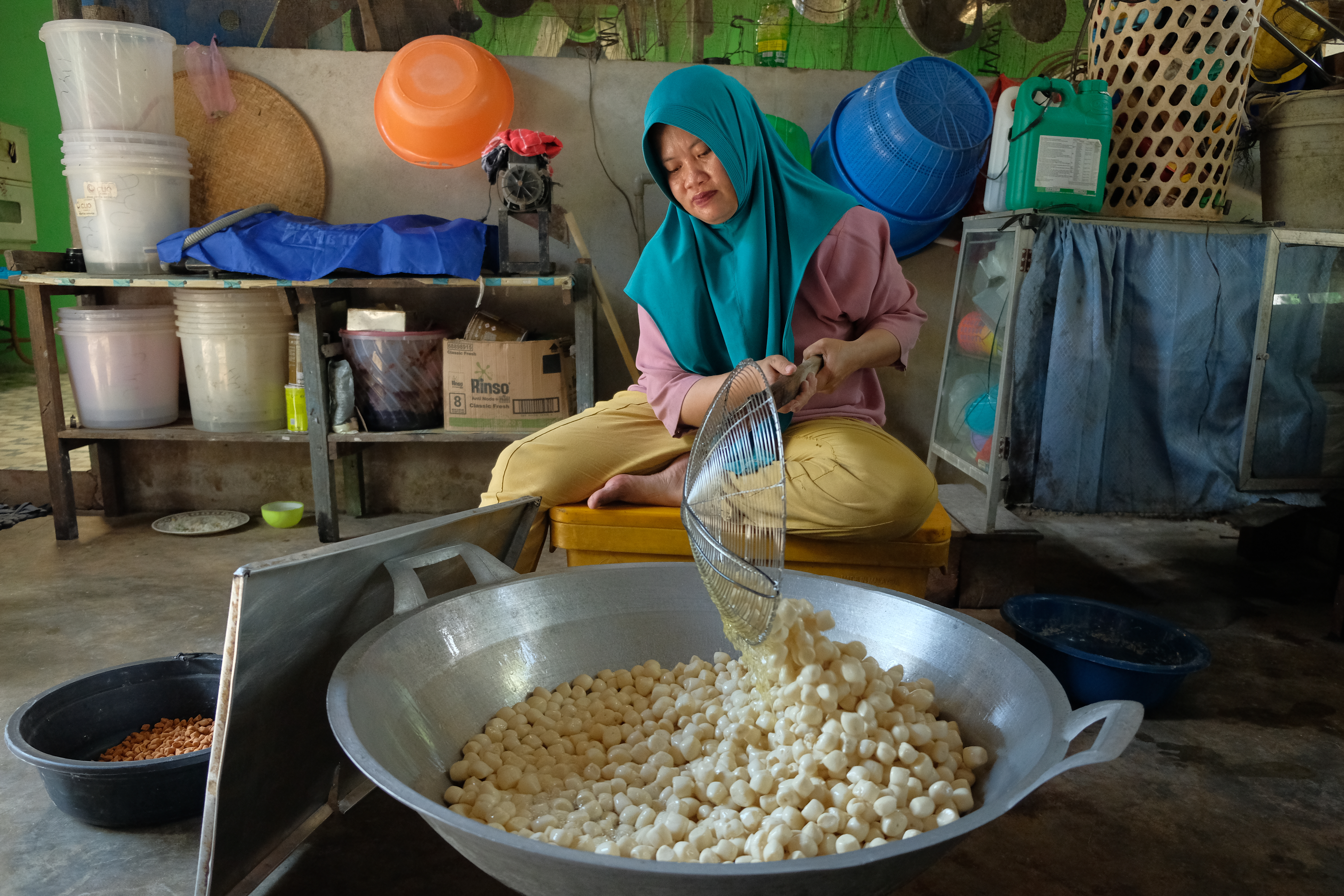 Amplang frying process – (Blue Forests)
Through the Improve Livelihood Program initiated by YHB, Ayu received intensive training covering production techniques, branding, digital marketing, financial management, and business expansion strategies. The YHB team encouraged Ayu to adopt sustainability principles throughout her business, starting with responsibly sourced raw materials and eco-friendly packaging. These innovations gradually enhanced the competitiveness of her product without compromising the environment.
As a result, Amplang Ayu is now recognized not just for its crunch and flavor but also for its commitment to sustainability. The label “sustainable product” has become a value-added feature that appeals primarily to environmentally conscious consumers.
Ayu, who has experienced the direct impact of the Improve Livelihood Program, shared her gratitude during a community dialogue session, “Without the support from Blue Forests Foundation, I wouldn’t have been able to build networks with other partners or attract resellers who now help grow our business as a group. Their mentorship helped me manage the business more effectively, obtain product permits, and promote and market it more efficiently. Previously, we had no guidance—obtaining permits alone was costly and required independent action. But with Blue Forests’ support, we’ve been greatly helped. We still need to be more independent, though. The knowledge and experience shared during the program are our motivation to keep producing and innovating. If the business continues to grow, I also want to empower more locals so they can benefit, too,” Ayu said with enthusiasm.
Economic, Social, and Environmental Impacts
Ayu’s increased production capacity has had positive ripple effects throughout the community. Several homemakers have joined as additional staff members for production. Local fishermen who previously struggled to sell their catch consistently now have a stable market as suppliers of raw materials. This has fostered a locally rooted economic system based on mutual support.
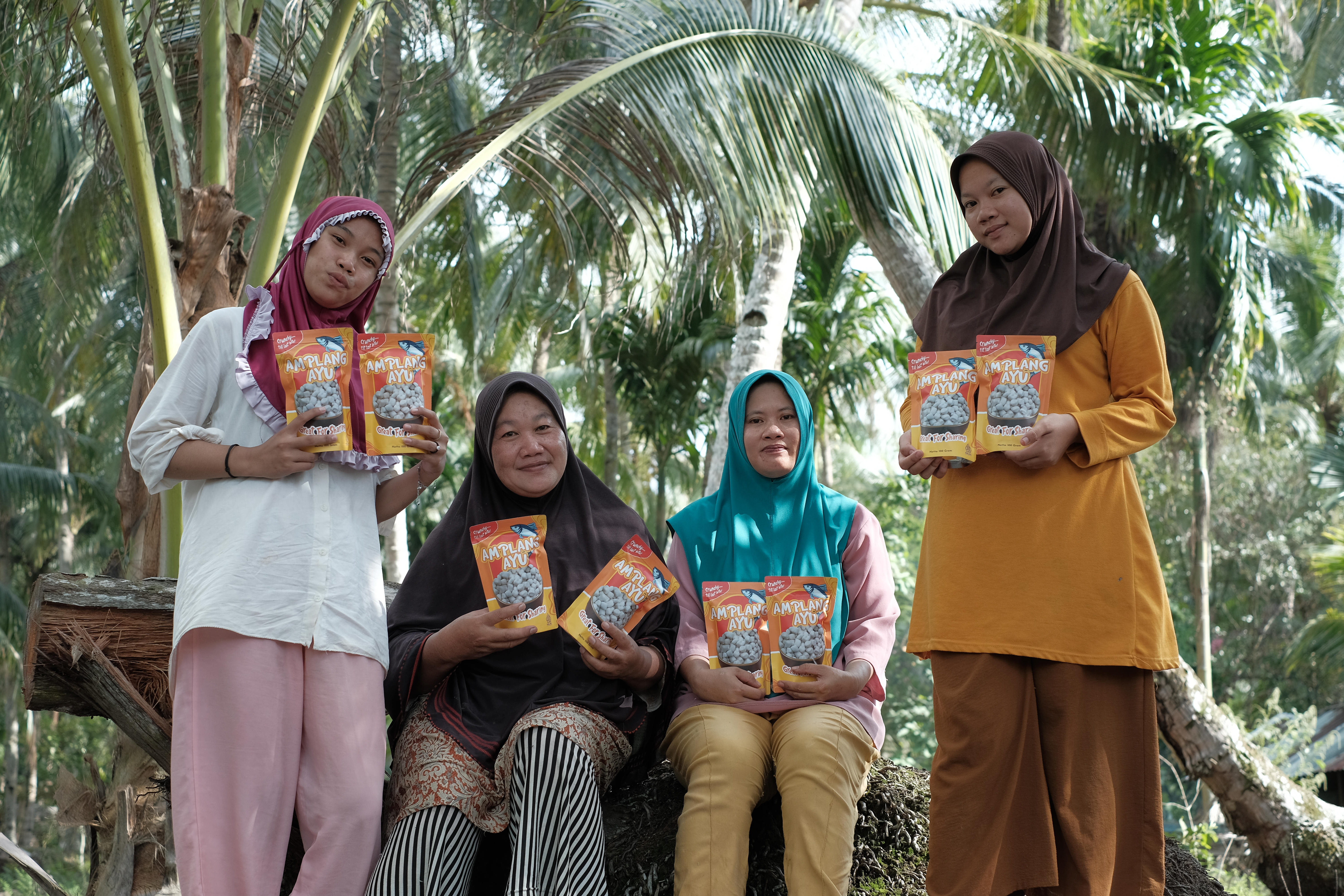 Members of the Amplang Ayu group – Blue Forests
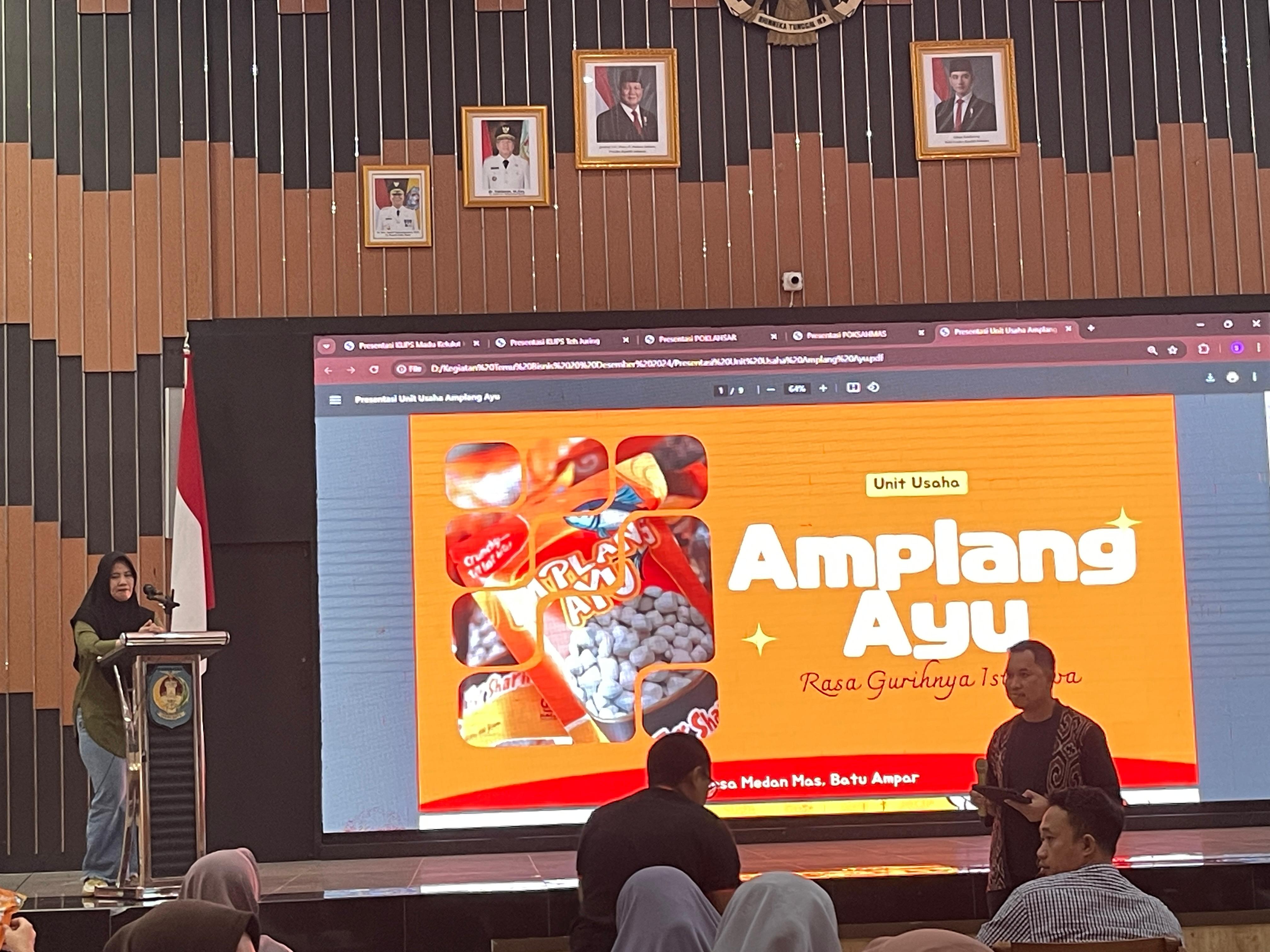 Ayu presented her product at a coastal business forum hosted by Kubu Raya’s Regent – Blue Forests
Socially, Ayu’s business contributes directly to improving family and community welfare. She is also increasingly involved in MSME forums, sharing her experience and inspiring other women entrepreneurs in nearby villages.
Environmentally, Ayu applies blue economy principles, emphasizing that economic growth in coastal areas must not harm the sea, mangroves, or surrounding ecosystems. Her team has also begun diversifying products from marine resources in a responsible manner.
Key Lessons from Ayu’s Success
Ayu’s success offers essential lessons for similar programs in other coastal areas:
Participatory and Contextual Approach
- The Improve Livelihood Program was designed with a deep understanding of local conditions and potential.
- The Community feels a sense of ownership and is motivated to participate actively.
- Ayu is not merely a beneficiary but a key actor in developing solutions based on local wisdom.
Integration of Economy and Ecology
- The program’s success hinges on aligning economic goals with environmental conservation.
- Mangrove preservation and marine ecosystem protection are integral to the business’s sustainability.
Strengthening the Value Chain
- The program goes beyond production training, addressing downstream aspects such as marketing, digitization, and partnerships.
- This has helped elevate Ayu’s business to a more advanced level.
Gender Empowerment
- Ayu’s story shows that women play a crucial role in the local economy.
- Empowering women in the blue economy boosts both household and community welfare.
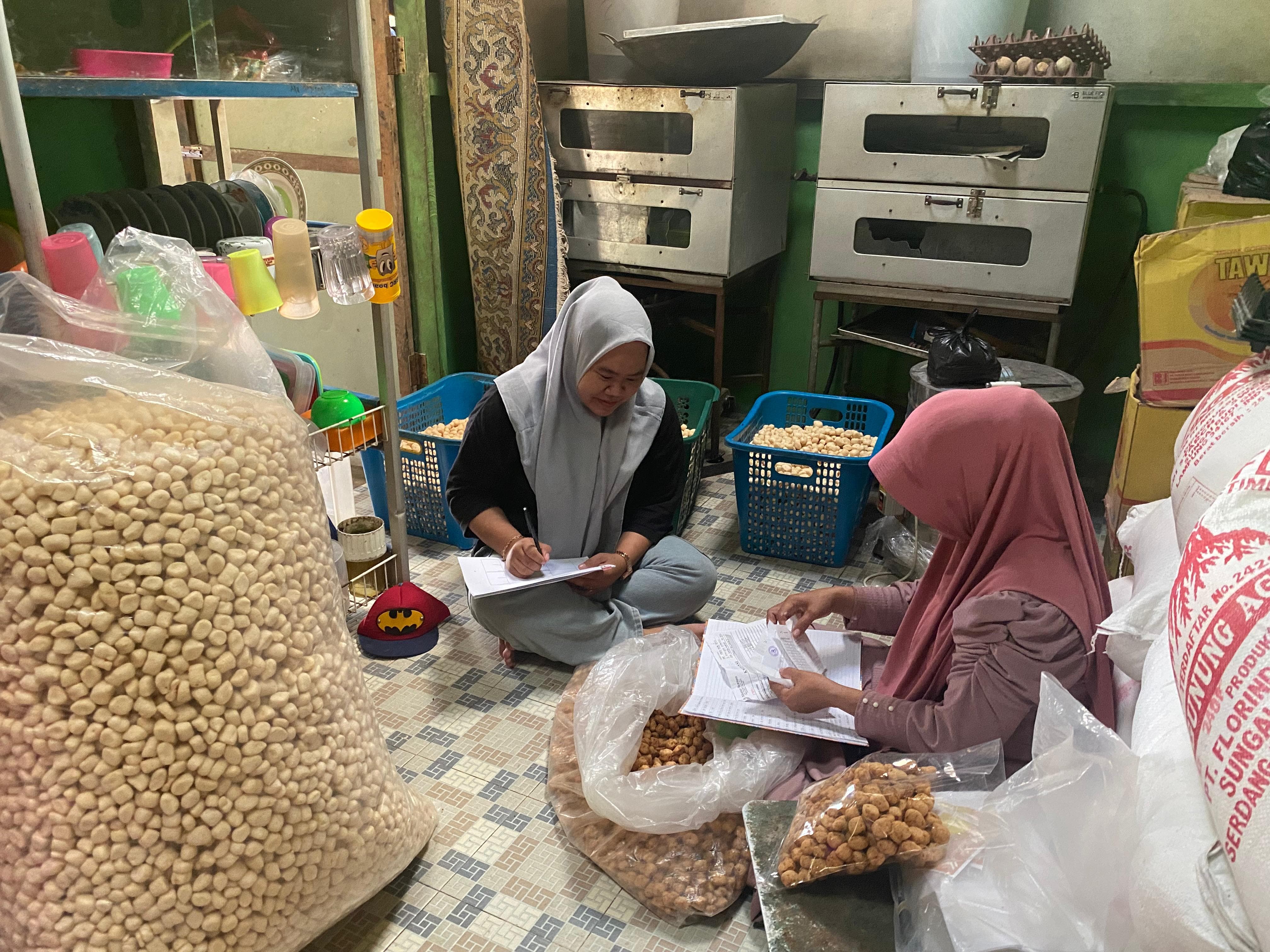 Production monitoring – Desi Pontiyana/Blue Forests
Sustainability Challenges: Towards a Resilient Future
Despite Ayu’s remarkable achievements, significant challenges remain. In the face of climate change, coastal ecosystem degradation, and global market uncertainties, several critical issues must be addressed:
1. Mangrove Ecosystem Resilience
Mangroves are vital for coastal life and fish breeding grounds. Land conversion, illegal logging, and pollution pose significant threats to this ecosystem. Collaborative protection and restoration efforts are crucial, along with ongoing education about the ecological value of mangroves.
2. Climate Change Adaptation
Rising sea levels, increasing temperatures, and extreme weather events are impacting marine ecosystems and altering fishing patterns. This could affect the supply of raw materials for Amplang. Sustainable aquaculture or product diversification may offer adaptive strategies for mitigating environmental impacts.
3. Market Resilience and Digitalization
Changing consumer behavior, digital market competition, and price fluctuations present ongoing challenges to businesses. Continuous learning and innovation are needed. Further mentoring on digital marketing, e-commerce, and sustainable value branding is essential.
4. Business Regeneration and Knowledge Transfer
Often, knowledge gained from programs stays with the first generation of entrepreneurs. Long-term sustainability requires peer learning spaces among MSMEs, youth involvement, and proper documentation of learning processes.
Inspiration for a Broader Movement
Ayu’s story is a clear reflection that the blue economy is not just a concept it can be a tangible solution to improve the livelihoods of coastal communities while preserving the natural environment. Through thoughtfully designed and inclusively implemented programs like Improve Livelihood, real change can happen even in remote villages.
Moving forward, models like this should be replicated and scaled up for broader applications. Policy support from local governments, synergy with the private sector, and ongoing mentorship will be crucial in building a robust empowerment ecosystem.
For Ayu, this success is not the end but the beginning of a bigger journey. She dreams of seeing her Amplang not only well known in Kalimantan but also celebrated nationwide as a symbol that rural communities can thrive without sacrificing sustainability.
During this blessed month of Ramadan, Ayu’s story reminds us that when we work with heart, care for nature, and share the benefits, blessings will come from unexpected directions.
Written by: Noviansyah Putra